A Complete Planting Guide for Canadian Gardeners
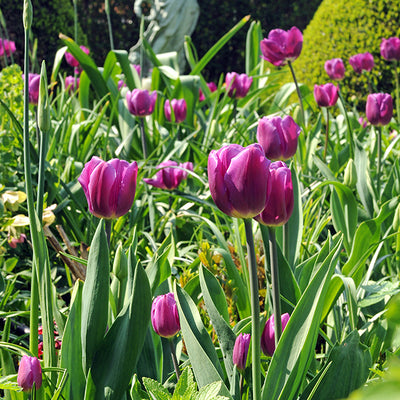
Tulips are classic spring bulbs known for their wide range of colours and elegant flower forms. When planted properly in the fall, tulip bulbs produce stunning spring blooms year after year. This guide covers when, where, and how to plant tulip bulbs, plus essential care tips for vibrant results.
Plant tulip bulbs in fall, typically from September through November, before the ground begins to freeze.
- Fall planting allows bulbs to establish roots before winter
- Bulbs need a cold period to bloom well in spring
- Aim to plant bulbs when soil temperatures are cool but workable
Planting within this window gives tulips the best start for strong spring flowers.
Where to Plant Tulips
Tulips grow best in locations that receive full sun or light shade.
Choose planting sites such as:
- Garden beds and borders
- Lawn edges or drifts in garden curves
- Containers and window boxes
A sunny spot helps tulip flowers develop rich colours and sturdy stems.
Soil Preparation
Good drainage is essential for healthy tulip bulbs.
- Work organic compost, bark or grit into heavy or clay soils to improve texture
- Loose, well-drained soil supports strong root growth
- Avoid low spots where water can pool and cause bulb rot
Well-prepared soil encourages good bulb establishment and spring performance.
How Deep and Where to Plant
- Planting depth: Plant tulip bulbs about two to three times the height of the bulb
- Orientation: Place bulbs with the pointed end facing upward
- Spacing: Space bulbs approximately 10 cm apart, depending on bulb size and desired display
Planting at the right depth protects bulbs through winter and supports vigorous spring shoots.
After Planting Care
After planting:
- Water thoroughly to help soil settle around bulbs
- Avoid overwatering, especially before winter set-in
Once planted, tulip bulbs require minimal care through fall and winter. Water again in early spring if conditions are dry.
Tulip Blooming and Spring Care
Tulips typically bloom in early to mid-spring depending on variety and climate.
During the growing season:
- Water only during prolonged dry spells
- Support taller varieties with gentle staking if needed
- Deadhead spent flowers after blooming to encourage bulb energy storage
Do not remove leaves immediately after flowering; the foliage must remain until it yellows and dies back naturally.
Afterflowering and Bulb Maintenance
Once tulip blooms fade:
- Allow foliage to turn yellow and wither
- Only remove leaves when they are fully brown and dry
- Natural foliage dieback enables bulbs to store nutrients for next year
Tulips can rebloom if foliage is left to feed bulbs, though some gardeners choose to treat them as annuals and dig up the bulbs once flowering has finished. Purchasing new bulbs each year will guarantee vibrant displays.
Why Grow Tulips
Tulips are among the most beloved garden bulbs because they:
- Provide bold, colourful spring flower displays
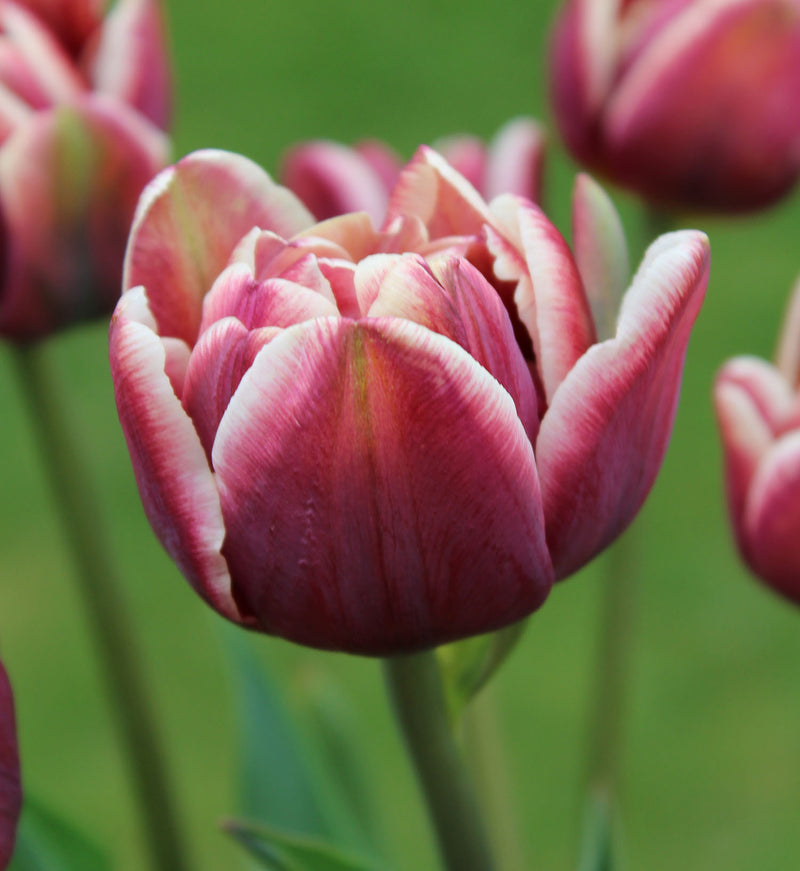
- Come in many shapes, sizes, and colour combinations
- Perform well in beds, borders, and containers
- Are easy to grow from bulbs when planted correctly
Their vibrant blooms signal the arrival of spring and bring structure and beauty to garden landscapes.
Related Planting Guides



 Sold out


 Sold out


